
Venice 101
The background briefing Venice is begging you to read.

Welcome to my crash course in how this improbable place came to exist. This is the briefing Venetians wish you had read before landing at Marco Polo, the one that lets you walk in looking informed rather than bewildered. You are about to get the basic context that makes everything click, delivered by a historian who became unreasonably obsessed so you do not have to. I did the reading and research so you can show up sounding clever. If you’d like to thank me for my time, you can share this article below.
This post also lives inside The Venice Index, my ongoing home for all things Venice on Substack. It is where I keep the context, the maps, and the places I return to again and again.
First things first, Venice is not Italian, it is Venetian. Built on mud and miracles, this city spent a thousand years running its own empire. Power, trade networks, rituals, and snobbery grew from independence. That history shaped a society trained in hierarchy and control, and it produced a confidence that still radiates from every arch, bridge, and smug stone lion you will meet.

Let us begin.
How the fuck did Venice happen?
The first Venetians didn’t come here because it was lovely, they came because it was miserable enough to be safe from invasion. They built huts on a series of marshy islands because no one wanted to attack people living in swamp water. Safety came before any glamour, but over time the Venetian ingenuity took over. They drove millions of wooden piles into the mud to create foundations to build on. Those piles still hold the city up. Eventually they layered stone on top, slowly replacing huts with houses and churches.
Nothing about this process was easy. Fresh water had to be collected in cisterns because the lagoon is a salty bitch. They had to dredge channels so boats could move, and then learn wind patterns to sail safely around the area without crashing into mounds of mud. Every problem here forced a solution and, over centuries, those solutions became infrastructure. Bridges between these patches of marsh multiplied because walking was easier than rowing, and the ‘island’ of Venice you see today is actually over 100 little patches of land woven together by bridges. Venice looks and feels so strange because it was literally improvised into existence.
The organisation of this society grew in scale. They dug the Grand Canal as a transport spine and built revolutionary ship-building factories (starting in the 1100’s!) to mass-produce ships. What began as survival in a swamp turned into some of the world’s greatest urban design, and by the time outsiders looked up and realised this swamp village had become a serious place, Venice was already functioning, wealthy, and impossible to ignore.
The Venetian Republic
Once they realised their improvised city actually worked, Venetians upgraded their goals. They wanted organisation, authority, and mechanisms to safeguard what they built, so they created a government unlike anything else in Europe. The Venetian Republic was a state run by councils, committees, and watchdogs who spent their days making sure nobody got too powerful or too flashy. The Doge was a ruler who wore a funny hat and sat on the throne, but he was more mascot than monarch. He was elected old AF because a Doge ruled for life and they wanted to make sure he died sooner rather than later, and every decision he made was checked, supervised, or vetoed by others. It was government by paranoia, and it worked.
That paranoia produced stability. While kingdoms toppled and emperors stabbed each other, Venice stayed consistent. It focused on trade, money, and protecting shipping routes. The city turned into an intelligence machine. It built a navy that scared people shitless and planted colonies and trading posts everywhere useful. Venetian diplomats were sent across the world with charm, gifts, and the occasional threat. War was always an option, of course, but negotiation was often cheaper - and Venice loved a bargain.
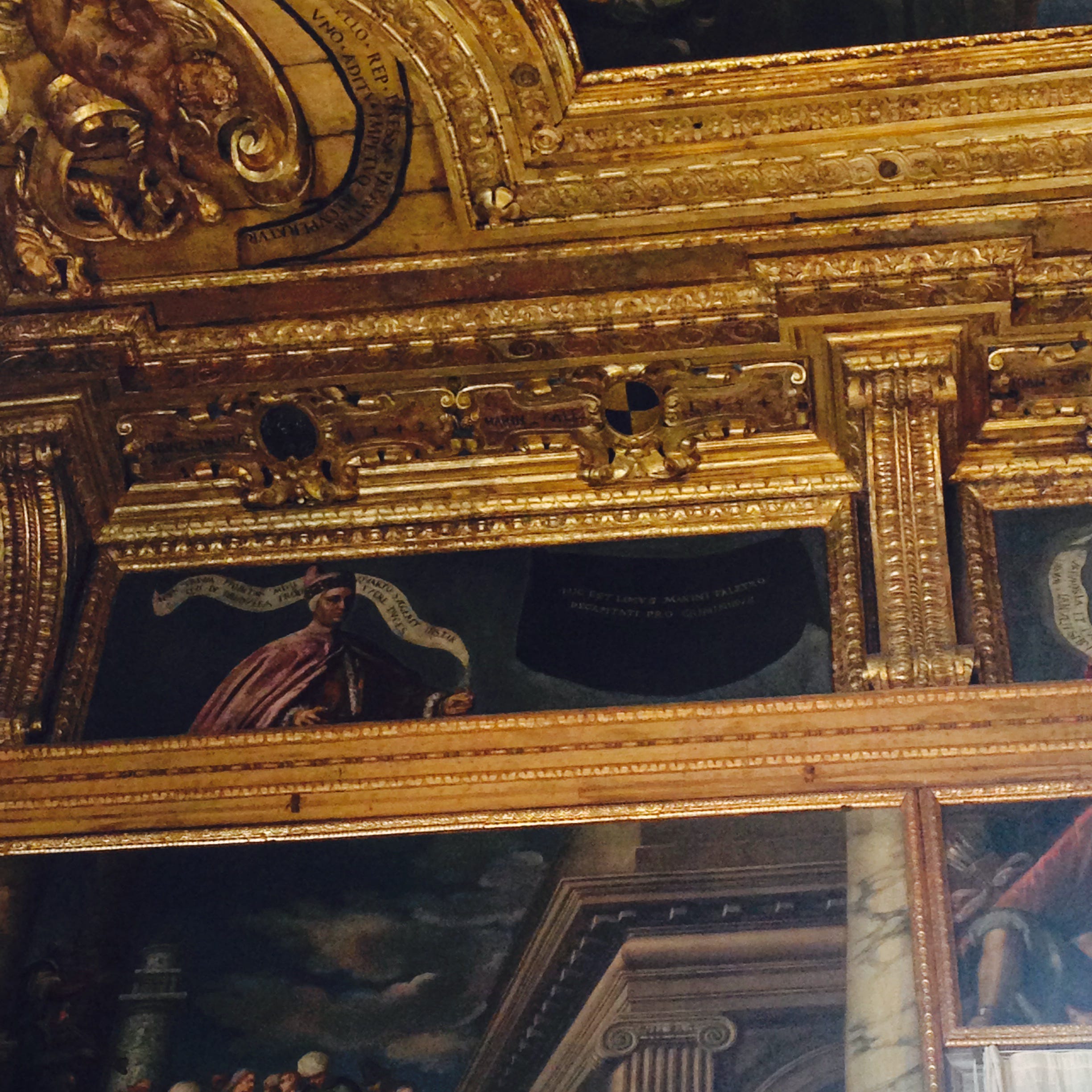
This system created something rare in that period - long term strategy. Venice thought in centuries, not seasons. It engineered succession rules, regulated commerce, and counted everything. The whole place worked because Venetians refused to let anyone, including their own leaders, sabotage the system. The one Doge who tried, Marino Faliero, attempted a coup in 1355 to seize full power. Venice said absolutely not, executed him, and blacked out his portrait in the Doge’s Palace as a permanent warning. You can still see the black mark today. This is why the Republic lasted for a thousand years while most places were busy collapsing.
Honestly, fuck Napoleon
After a millennium of running its own show, Venice did not fall because it mismanaged itself. It fell because a tiny Frenchman with a god complex needed trophies. By the late eighteenth century the Republic was tired, but still functioning. Venice had kept neutral in European conflicts for centuries, playing mediator when required.
In 1797 Napoleon marched in, declared the Republic obsolete, and dismantled a political system that had survived plagues, wars, crusades, and everything else Europe threw at it. He abolished the councils, bullied the last Doge into resigning, seized the city’s wealth, and handed Venetian territories to Austria like party favours. Venice did not collapse from within, it was carved up like a piece of meat because Napoleon wanted to redraw the map.
The worst part, beyond the arrogance, is that Napoleon didn’t really care about Venice beyond its strategic usefulness. The Republic’s archives, traditions, and institutions were looted or shut down. The city was treated like a souvenir. The empire that had governed itself for a thousand years ended because a man with delusions of grandeur needed a win. Venice did not die. It was murdered, badly, by a French fuck boy.
The Venetian Language
Venetian is not Italian. Calling the local language a dialect is like calling Venice a suburb of Rome. This matters because language is identity, and Venice’s identity demands respect.
You still hear Venetian in markets, boatyards, and bars. You might not recognise it at first, but it’s fast, musical, and full of clipped endings. You’ll earn points if you learn even the tiniest bit. Here are some words or phrases in Venetian, some which you may recognise and never even knew came from here:
Ciao: This is Venetian, not Italian. It comes from the phrase s’ciavo vostro which means “at your service.” Venetians shortened it over time and the rest of Italy stole it. So when you say ciao anywhere in the world, you are speaking Venetian.
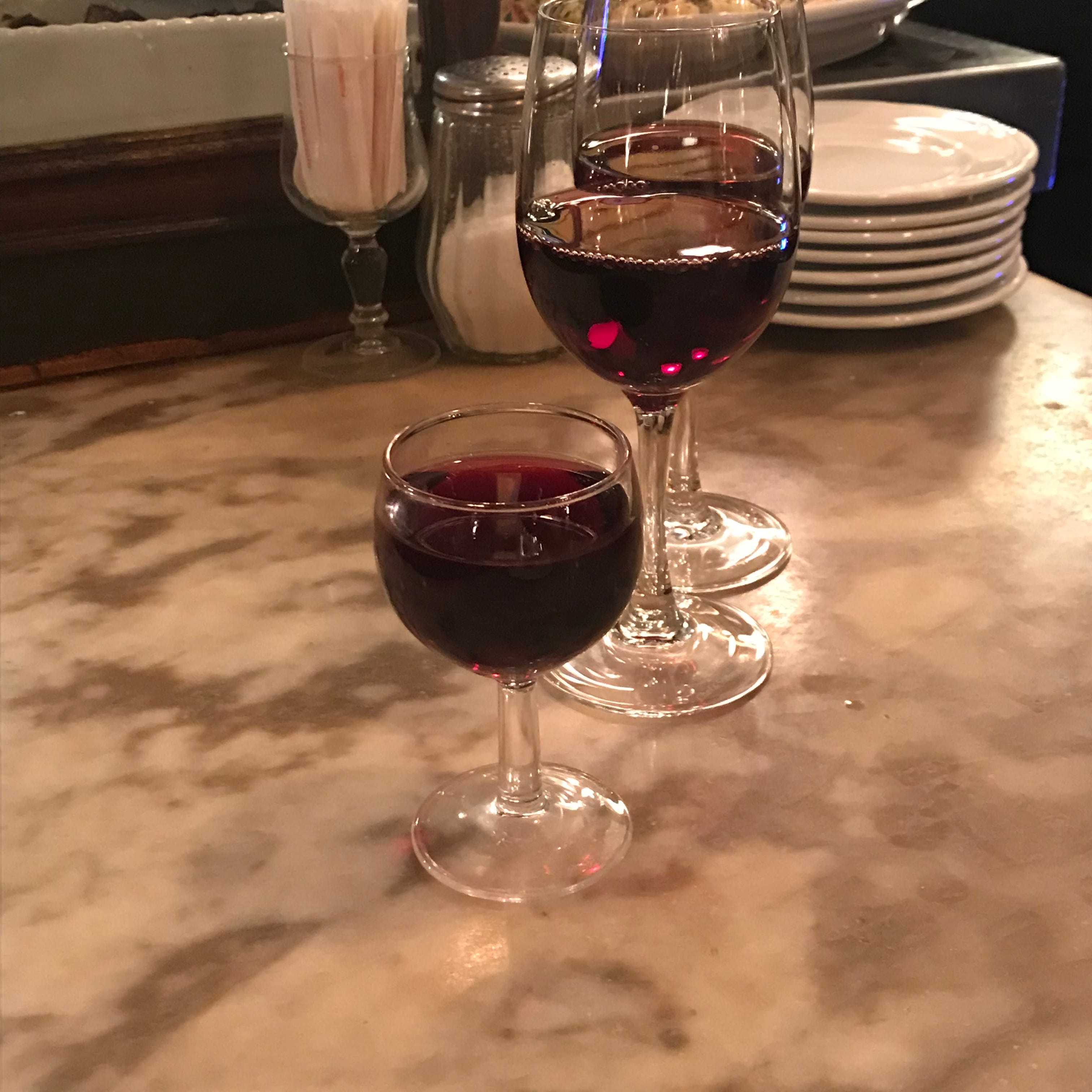
Ombra: This means both “shadow” and “a small glass of wine.” The name comes from wine sellers who sold drinks in the shade of the Campanile in Piazza San Marco to keep bottles cool. Ordering an ombra is a great (and cheap) way to try out some local house wines at Venetian bars.
Street names like campo and calle: Venice does not have piazzas or vias like the rest of Italy. A campo is a small square where life unfolds. A calle is a street.
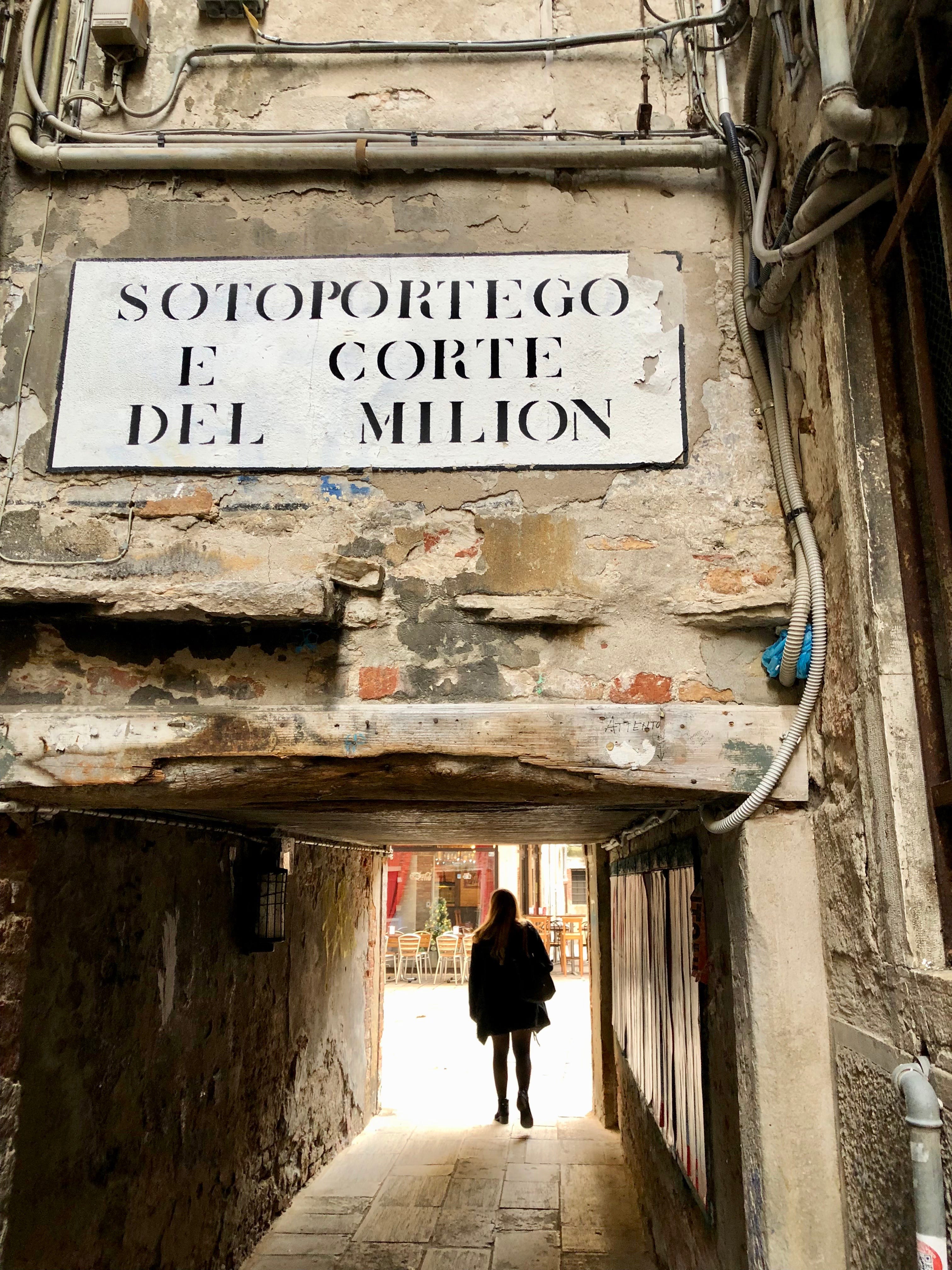
It goes on and on…. a fondamenta is a walkway along a canal edge. If the water is beside you, you are probably on a fondamenta. A sotoportego is a passage or tunnel that cuts through buildings. A Rio Tera is a street that was once a canal but got filled in - you are literally walking on reclaimed water.
Italianisation pushed Venetian out of schools and official life, especially under Austria and later the unified Kingdom of Italy. It became impolite, even discouraged, to use Venetian publicly. Authorities tried to frame it as a dialect, something lesser, but thankfully the language refused to die. Venetian has survived in families, neighbourhoods, theatre, and song. It persisted because speaking Venetian meant claiming heritage.
Venice myths that need to die
Many people arrive to Venice with wild ideas, usually inherited from someone who spent four hours here in July and formed an opinion. Venice suffers from lazy assumptions more than actual flaws, so before you start repeating nonsense, let’s clear the air. Here are the greatest hits of bad takes you should delete from your brain immediately.
“Venice smells”
No, it doesn’t. Unless you’re standing in the Rialto fish market at noon in August or trapped next to someone on the vaporetto who hasn’t discovered deodorant, you shouldn’t catch any heinous whiffs during your trip. Some canals can get a bit ripe during ultra-low tides in the summer, but it’s rare and not that horrible. I’ve been in Venice during August heatwaves, and the only thing stinking was the crowd.
“Venice is too crowded”
Some parts of it, yes. Piazza San Marco at midday in the summer (or, god forbid, Carnevale season) can feel like a mosh pit with the addition of pigeons. But, even there, all you need to do is wander ten minutes away and you’ll find yourself alone. People who moan about Venice being too crowded haven’t explored enough.
“Venice is a great day trip from…”
Absolutely not. Day-trippers are the reason Venetians drink. They swarm off cruise ships, buy plastic masks, and leave by sunset without spending a cent in a local business. Be better than that. Stay a night, stay three. Let the city reveal herself slowly - that’s when the magic happens.
“Venice has bad food”
Usually what people say after eating somewhere next door to the train station because they were lazy and it was convenient. If there are ‘tourist menu’ signs or employees physically dragging you inside, I shouldn’t have to tell you to steer clear. The food in Venice is incredible, and I’ll be tagging articles on my favourite places here shortly.
“Gondolas are a scam”
A gondola ride costs money because it’s a highly skilled craft and a regulated trade. The boats themselves are also expensive AF. You pay for training, history, and pageantry. If you do not want to go on one, fine, but don’t bitch and pretend the price makes no sense.
“Venice is always flooding”
Sometimes. It’s called acqua alta (high water), and Venetians have been dealing with it for centuries. There have been extreme occurrences (called acqua granda) in the past, but this was rare then and even rarer now with the recent installation of the MOSE floodgates out in the lagoon which activate when needed to prevent disastrous flooding. In most cases of acqua alta, you’ll simply be greeted with very large puddles in the lower parts of the island and you’ll be fine. The city will prop up temporary elevated walkways (called passarelle) in areas at risk of some splish-splashing. Keep calm and carry on.
“Locals hate tourists”
Venetians dislike bad behaviour, not visitors. People who ignore rules or treat the city like a theme park earn eye rolls and sometimes a remark. If you respect the city and spend money locally, you will find only kindness and conversation.
Where to learn more
If you’ve made it this far and you’re still hungry for more info, you’re my type of person. Luckily, I’ve read pretty much everything on Venice and I can tell you the greatest hits.
If you only have time for one book, make it Venice by Jan Morris. It’s smart, funny, and honest, like having a witty historian whispering in your ear while you sip prosecco. If you can add in more reading before or during your trip, I love these fiction & non-fiction options:
A Venetian Affair by Andrea di Robilant: An eighteenth century scandal told through real letters discovered in the attic of a Venetian palazzo. It has forbidden love, gossip, and political manoeuvring. I was drawn in immediately.
The City of Falling Angels by John Berendt: A juicy blend of journalism and gossip set in Venice after the La Fenice opera house fire. Berendt wanders through scandals, eccentric residents, feuds, faded nobility, and mysterious foundations with money to burn.
Venice is a Fish by Tiziano Scarpa: A poetic guide written by a Venetian. Scarpa walks you through Venice with your senses instead of your brain, pointing out how the stones echo, how the air tastes, and how the lagoon shapes mood. It is short, strange, and brilliant, the closest thing to getting Venetian-level insight without being born here.
No Vulgar Hotel by Judith Martin: A witty autopsy of Venice addiction. It is part anthropology, part confession, and very amusing.
Ascension by Gregory Dowling: A historical thriller set in eighteenth century Venice. It follows a young Englishman drawn into espionage and political intrigue across the city. You get masked conspiracies, shadowy canals, assassins, and Venetian secrets. The pacing is tight, the research is strong, and Venice is not just scenery, it is the engine of the plot. There’s a sequel, too!
If you’re more of a TV person, find Francesco’s Venice from the BBC on YouTube. The host, Francesco da Mosto, is from one of the city’s oldest families. He chain-smokes and gesticulates wildly throughout the entire programme, and makes you want to pack up your life and move into a crumbling palazzo.
Congratulations!
You’ve official graduated Venice 101 with flying colours. If this delighted you, there is more where it came from. I write guides that help you see Venice (and beyond) with sharp eyes. If you want more of that in your life, hit subscribe or share this with someone who thinks Venice is “a cute day trip.” Your support keeps this corner of the internet alive, and I promise to keep feeding you the good intel.